
Sourcing & Handling
Research Notes
Practical guidance on sourcing, verifying, receiving and storing research materials — written for the people who handle them.
storage equipment
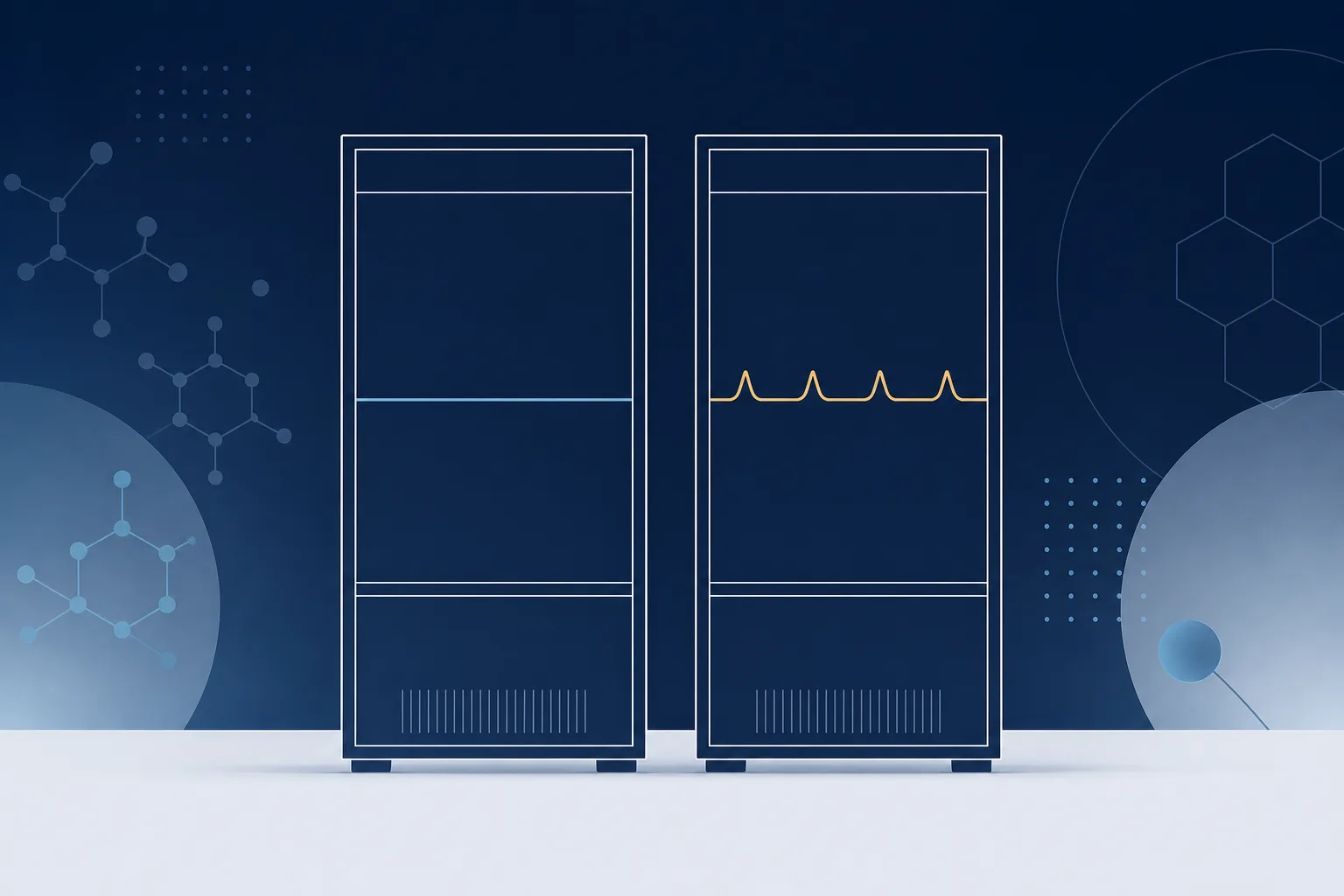 Choosing a Freezer for a Small Research Operation: −20 vs −80, Lab-Grade vs DomesticBuy for the storage condition on the documentation, not the lowest number in the catalogue. For most small operations that means a stable, laboratory-grade −20 °C unit without a domestic defrost cycle, not an ultra-low freezer.
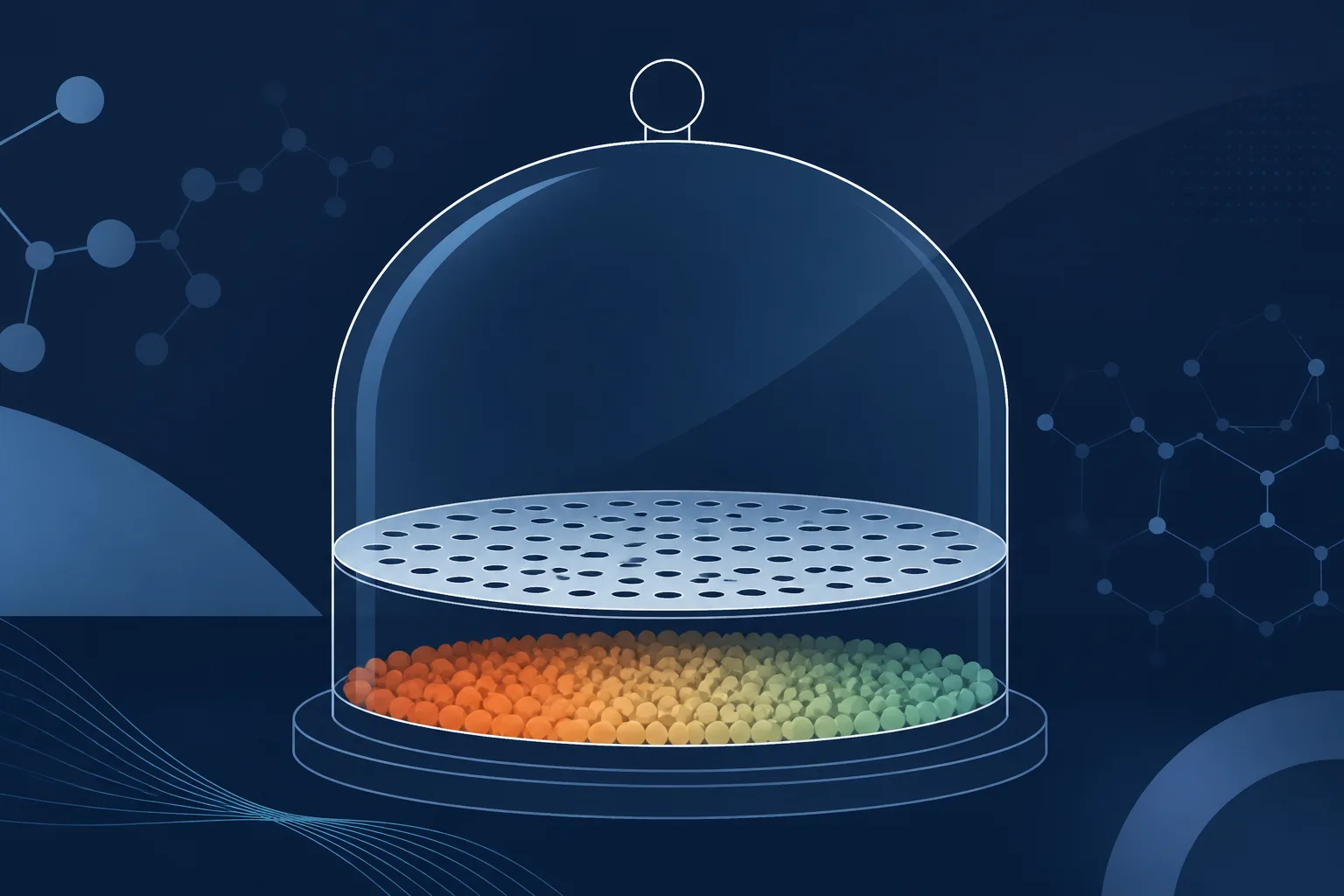 Desiccators and Humidity Control at the Bench: Types, Desiccants and When You Need OneA sealed vial is its own moisture barrier. A desiccator earns its place once containers are opened, cold ones are warmed, or a lot is weighed out — and only if the desiccant in it is still working.
 Freezer Alarms and Out-of-Hours Failure: Independent Alerts, Delays and Who RespondsMost freezer losses happen when nobody is in the room. An alarm only prevents one if it is independent of the unit, set so it is not ignored, reaches a named person, and leads into a written response.
 Inventory Rotation and First-Expired-First-Out in a Small LabA register says what you hold; rotation decides which container gets used next. FEFO, a shelf arranged so the right choice is the easy one, and a monthly look at slow stock stop material dating out unnoticed.
 Temperature Data Loggers for a Lab Fridge or Freezer: What to Buy and What to RecordA logger is only evidence if it is calibrated, measures what the contents experience, samples often enough to catch a fault, and is read and exported before its memory rolls over.
independent verification
 Choosing an Independent Analytical Laboratory: Scope, Methods, Reporting and the 2026 LandscapeHow to judge a testing laboratory before sending it anything — what accreditation scope actually covers, which methods matter for peptides, what a usable report states — plus what six laboratories in this market say about themselves, as of September 2026.
 Commissioning Your Own Third-Party Test: A Buyer's Procedure for Independent AnalysisNot another list of vendor red flags: this is the procedure for the step after suspicion or ordinary diligence — choosing the questions, the tests, the sample and the laboratory, and reading what comes back.
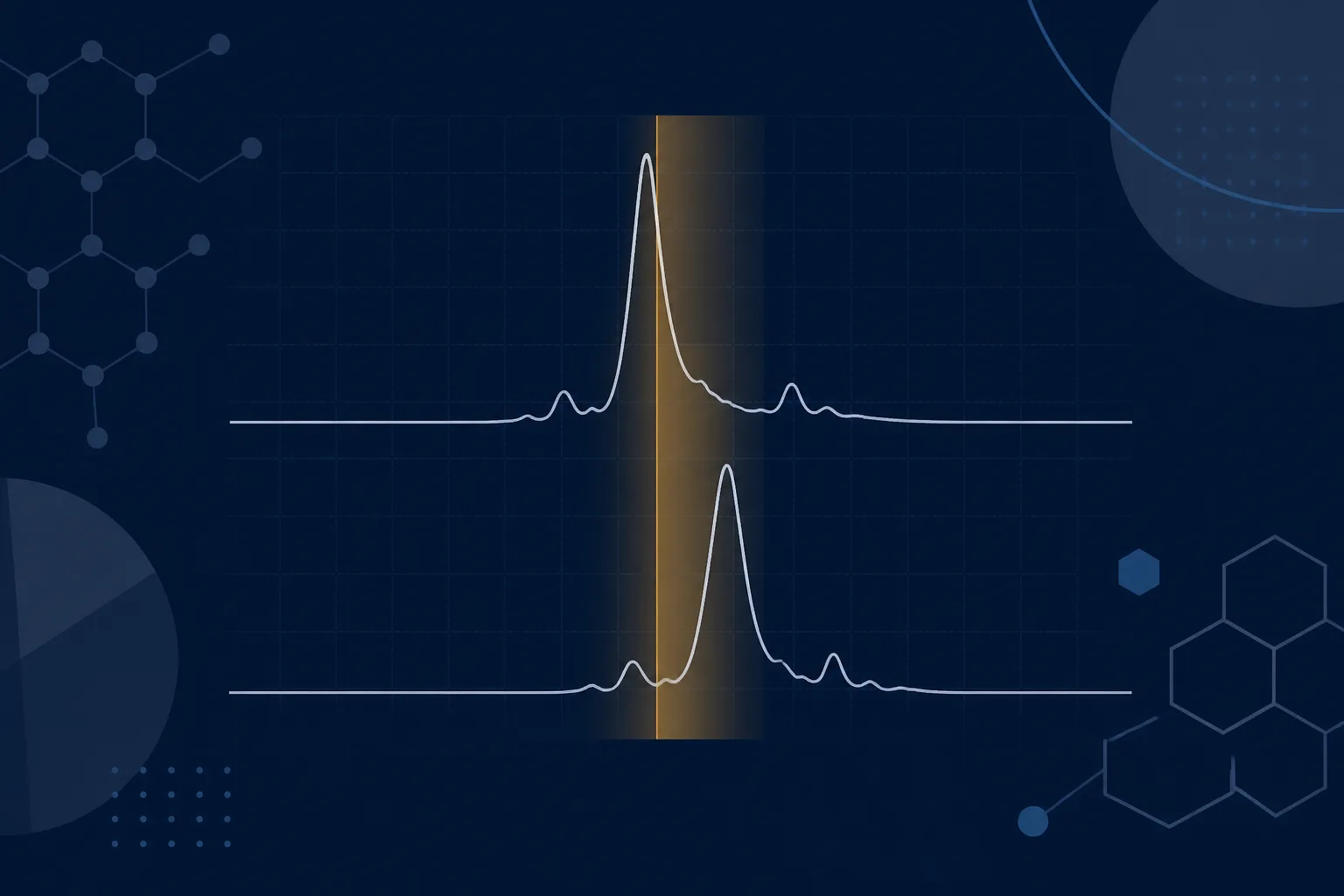 When Two Laboratories Disagree: Deciding Whether a Purity Gap Matters, and What to Do NextYour own result and the supplier's certificate do not match. A buyer's decision procedure: how large a gap is normal, what to check first, when a difference is material, and how to raise it with a supplier without starting a fight.
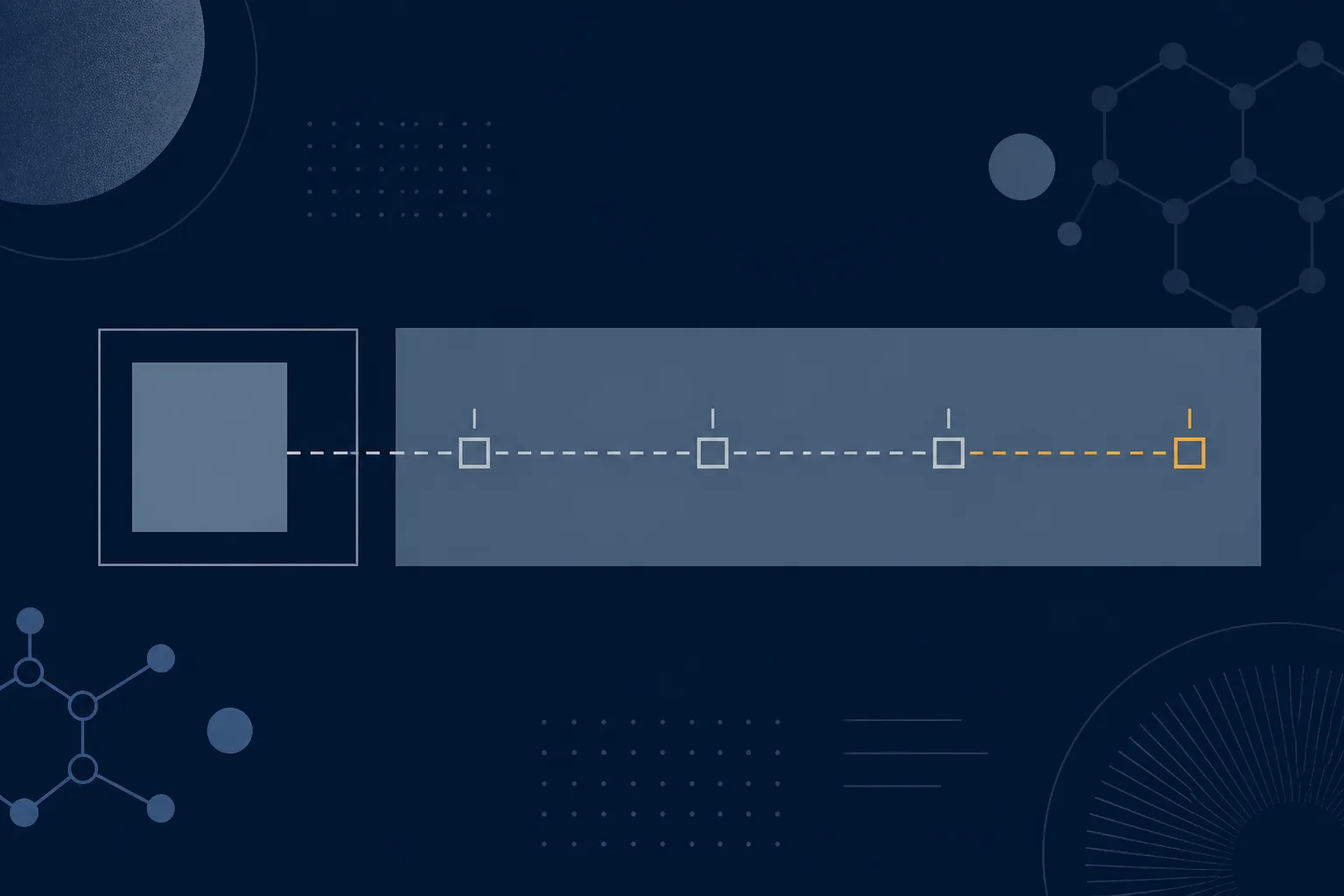 Sending a Sample to a Laboratory: Packaging, Splitting and Chain of Custody from the Buyer's SideThe sender's procedure for getting a container to an independent laboratory with its evidential value intact: splitting and retaining a portion, labelling and sealing, the custody form, transit temperature, accurate declaration, and what voids a result before testing starts.
 What a Third-Party Test Costs and Takes: Price Drivers, Bands and Turnaround in 2026Why an identity check is cheap and a full panel is not, what drives the price and the wait, what laboratories in this market list as of September 2026, and how to decide what is proportionate to an order.
the order itself
 Lead Times, Minimum Orders and Backorders: The Mechanics of a Research OrderWhy an in-stock item and a made-to-order one run on different clocks, where minimum order quantities come from, how a backorder differs from a discontinued line, and when to accept a partial shipment.
 Order Records a Research Buyer Should Keep: The Purchase Side of ProvenanceThe invoice, the lot, the certificate and the notebook entry are four links in one chain. What to keep, for how long, how to file it so it can be found, and the minimum record set that answers an auditor or a reviewer.
 Reading a Supplier's Shipping Policy: Dispatch, Liability and What Silence MeansA shipping policy is a contract term written by one side. Read it for six things: two different time promises, the point where risk passes to you, declared value, reshipment, restricted destinations, and what it leaves out.
 What a Supplier Should Tell You Before You Pay: A Pre-Order Disclosure ChecklistNot a list of red flags. A list of seven things a research supplier should state about this specific order before money moves, where each expectation is written down, and what a gap tells you.
 When a Research Order Goes Wrong: Evidence, Deadlines and the Route to a ResolutionNot delivered, damaged, or not what was ordered: what to capture straight away, which clocks start on delivery, how replacement, refund and credit differ, and when the carrier or the card issuer is the right route.
research integrity and provenance
 Reporting the Source of a Research Compound: The Materials Statement a Journal ExpectsSupplier, catalogue number, lot, and purity with the method behind it — the four facts that let another laboratory obtain the same material, and what to write when one of them is missing.
 RRIDs and Identifying Research Resources: What the Identifier Covers and What It Doesn'tA Research Resource Identifier pins an antibody, cell line, organism or tool to one curated record. Synthetic peptides and most chemical reagents fall outside the scheme — so here is how to identify those properly instead.
 The Reagent Problem in Reproducibility: When the Material, Not the Method, Is WrongMisidentified cell lines and unvalidated antibodies turned part of the reproducibility debate from a statistics argument into a materials argument. Here is the evidence, where synthetic peptides sit in it, and what a buyer actually controls.
 What a Reviewer Asks About Material Provenance: Where From, How Pure, Which Batch, Who CheckedFour questions recur whenever a manuscript relies on a purchased compound. Unnamed suppliers and unattributed purity figures draw them fastest — here is how to answer them, and how to answer them before they are asked.
 Writing a Materials and Methods Section: The Reagent Detail That Lets Someone Repeat the WorkThe section exists so another laboratory can repeat what you did. Most fall short on reagents, preparation and storage — precisely the details a reviewer ends up asking for.
diluents and consumables
 Bacteriostatic Water vs Sterile Water: What the Difference Actually IsOne of them contains a preservative and one contains nothing at all — and that single difference decides container size, how many times a closure may be entered, and what the diluent does to the material dissolved in it.
 Benzyl Alcohol at 0.9%: Where That Figure Comes From and Why the 28-Day Clock ExistsNeither number is a property of the liquid — 0.9% is a manufacturer's declared formulation figure held to the lowest concentration that still passes a test, and 28 days is the last day that test measures anything.
 Sourcing Bacteriostatic Water in the US and Canada: Prescription Status, Distributors and Mislabelled SalineThe same 30 mL vial is a prescription drug on one side of the border and a federally unscheduled professional-use product on the other — and the public registers that settle it will also tell you when what arrived is not what was ordered.
 0.22 µm Syringe Filters and Luer Fittings: Membrane Choice, Adsorption Loss and What to StockA 0.22 µm rating describes what a filter retains under bacterial challenge — it says nothing about how much of a dilute peptide the membrane keeps for itself, which is the number that decides whether PES, PVDF or nylon belongs in the drawer.
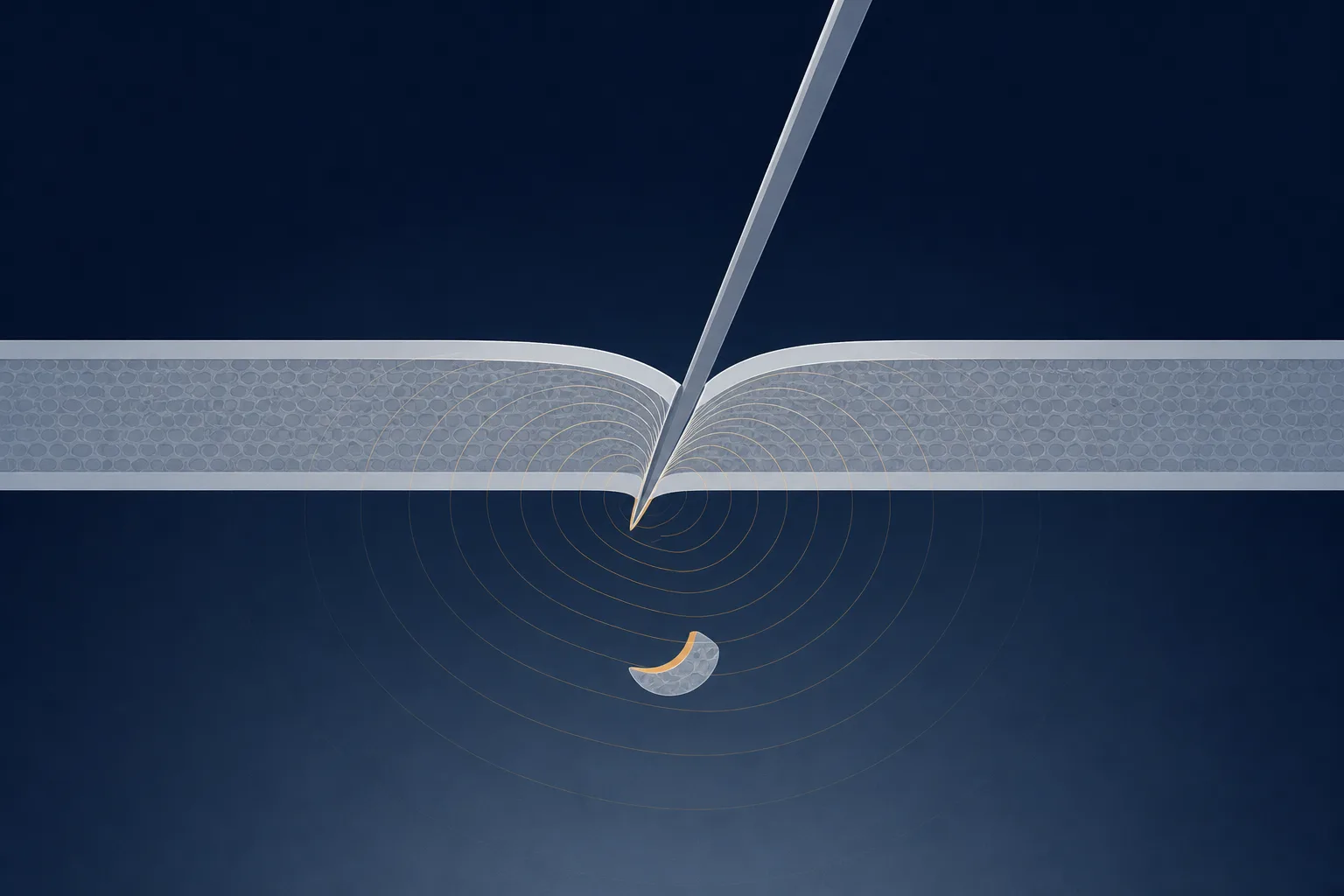 Vial Stopper Coring: Needle Gauge, Bevel Angle and How Rubber Ends Up in SolutionA needle through an elastomeric septum is a cutting operation, and sometimes it punches out a fragment that falls into the container — here is what the measured incidence actually is, and where the published advice contradicts itself.
supplier due diligence and coa literacy
 Batch-Matched vs Generic: The Difference Between a COA and a BrochureA certificate of analysis is evidence about one lot of material and nothing else — here are the four fields that prove it, and what a generic or undated document quietly leaves out.
 ISO/IEC 17025, ISO 9001 and GMP: What Each Label on a Test Report Actually CertifiesThree labels that get printed side by side answer three unrelated questions — and only one of them is evidence that the number on a certificate of analysis is likely to be right.
 Net Peptide Content vs HPLC Purity: The Two Numbers on a COA That Are Not the Same NumberOne is a ratio among chromatographic peaks, the other is a fraction of the mass in the vial — and a lot can honestly report 98% of the first and 78% of the second on the same certificate.
 The Supplier Due Diligence File: Every Document a Research Peptide Vendor Should Be Able to ProduceEight documents separate a counterparty you can evaluate from one you can only hope about — here is what each one proves, where the expectation is written down, and what a refusal tells you.
 What a COA Does Not Test For: Endotoxin, Water Content and Residual Solvents on a Two-Test CertificateA certificate reporting chromatographic purity and mass-spectrometric identity is silent on everything else that can be measured on a lyophilised powder — and silence is not a passing result.
dating traceability and records
 Date-Stamping Aliquots and Opened Vials: The Minimum Record That Makes a Result TraceableFive fields on the container and one line in a log are the difference between a result you can defend and a measurement made from an anonymous tube.
 Expiry Date vs Retest Date: What Dating on Research Material MeansAn expiry date ends use; a retest date only obliges you to test again — and the difference decides what your receiving records have to carry.
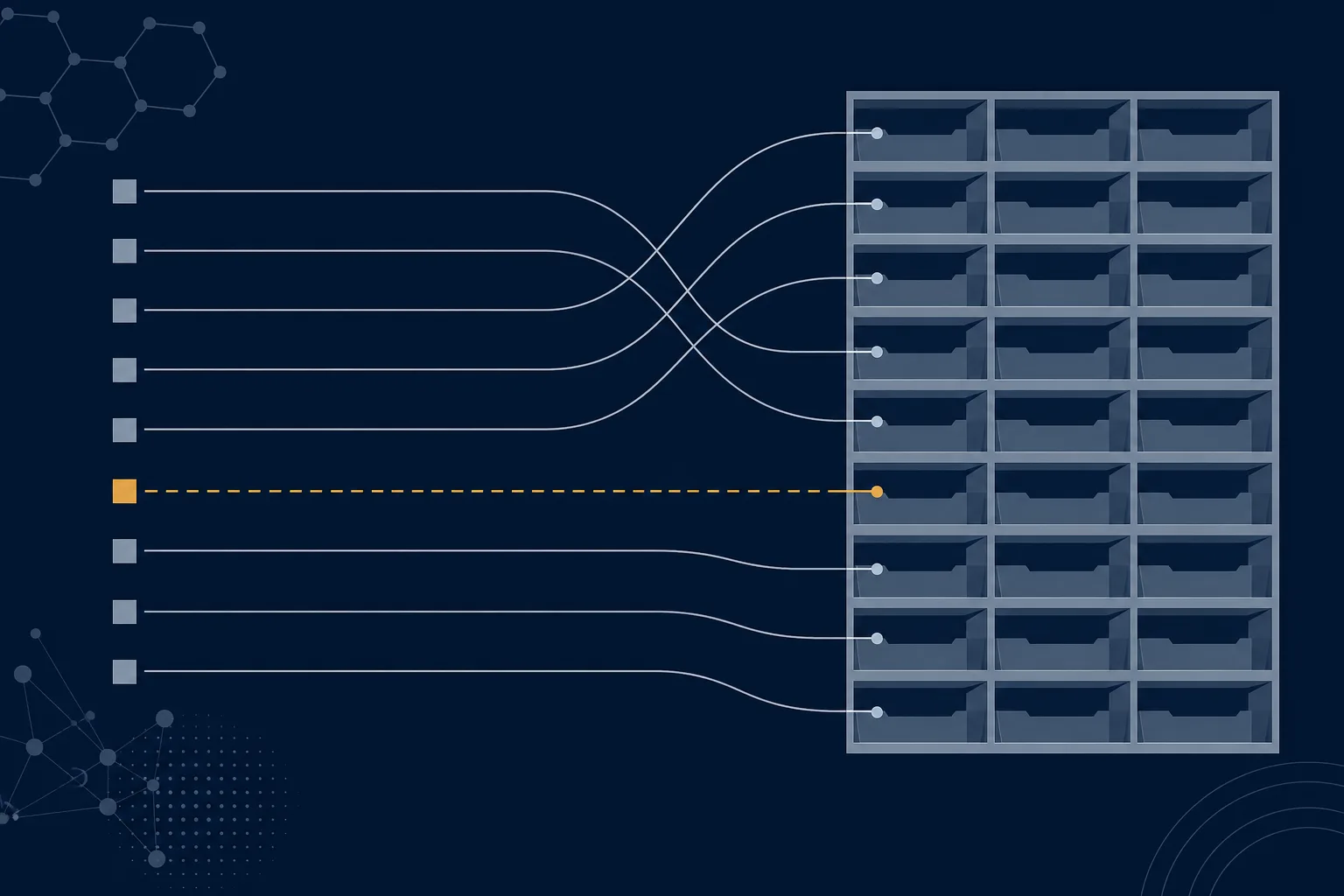 A Lot Register for a Small Lab: Tracking Received Material Without a LIMSOne row per container, written the day it arrives and never overwritten — the column set, the custody log and the retention rules that let a spreadsheet do the job in a lab too small for a LIMS.
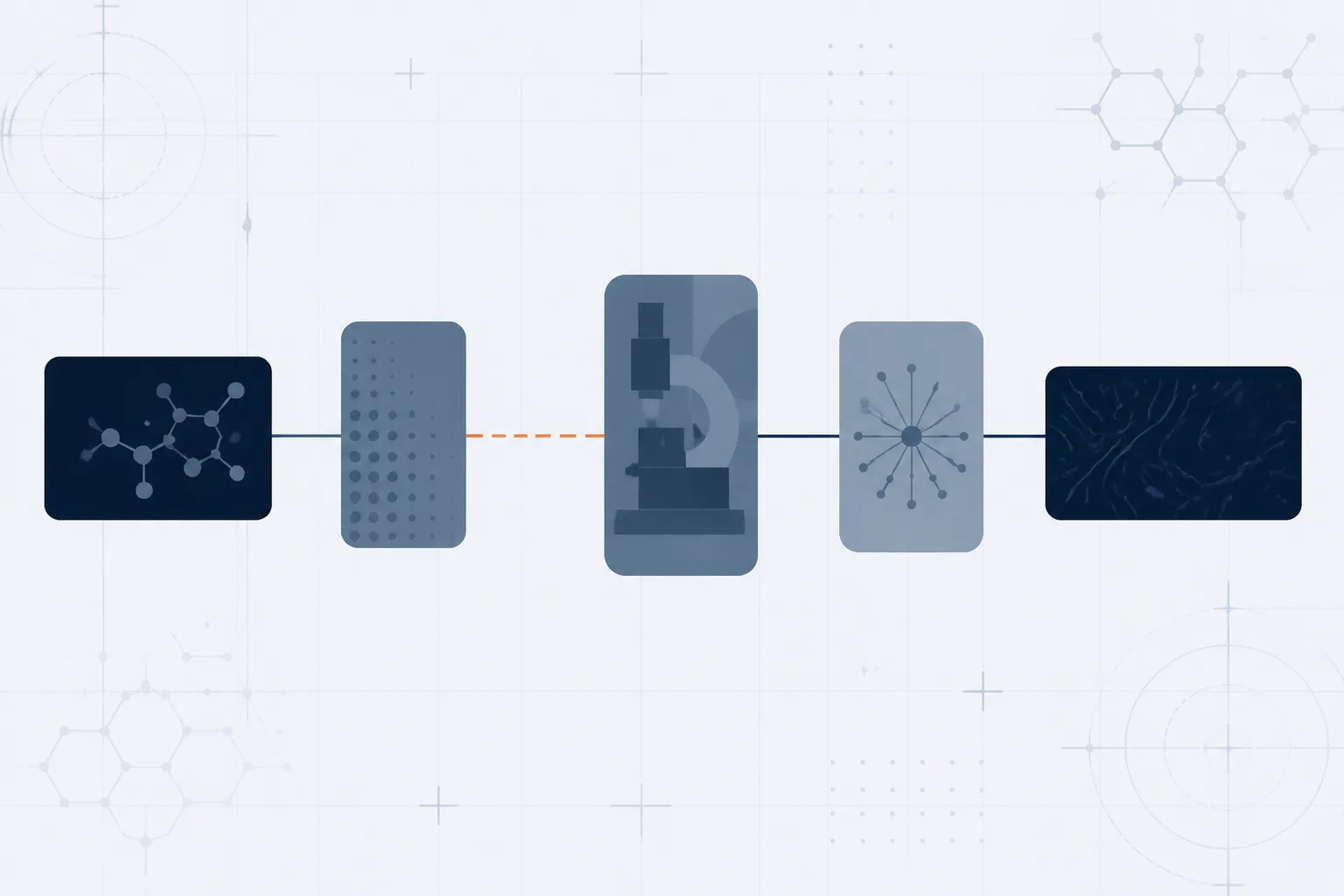 Lot Traceability from the Buyer's Side: Tracing a Vial Back to a Lab Report IDA certificate is only as good as the chain connecting it to the container in your hand — here is every link, which ones you can verify yourself, and the one nobody outside the supplier ever witnessed.
 Reading a Research Vial Label: Every Field and What It Commits the Supplier ToA label is not a description of the material — it is a short list of claims a supplier can be held to, printed beside a longer list of words that commit nobody to anything.
receiving transit and import
 Dry Ice, Gel Packs and Ambient: When a Research Shipment Genuinely Needs a Cold ChainDry ice is not a stronger gel pack — it is a Class 9 dangerous good that holds a payload roughly eighty degrees below the band most refrigerated articles are labelled for, and choosing between the three regimes is a documentation question before it is a thermal one.
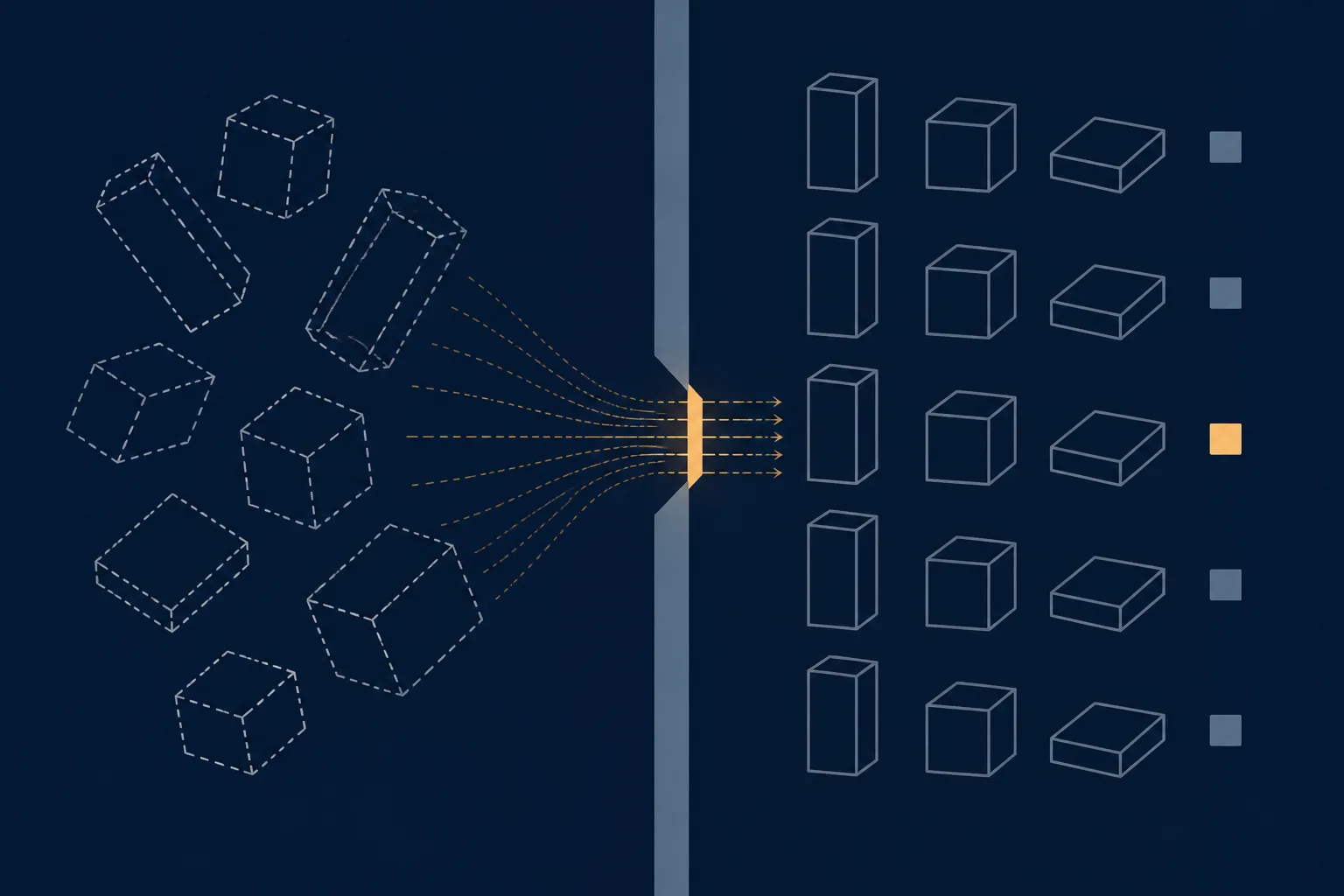 Goods-In for Research Material: A Receiving Procedure for Peptide ShipmentsReceiving is four decisions taken in a fixed order — inspect, reconcile, record, assign a status — and the standards that describe it were written for regulated warehouses that a research bench can borrow from for free.
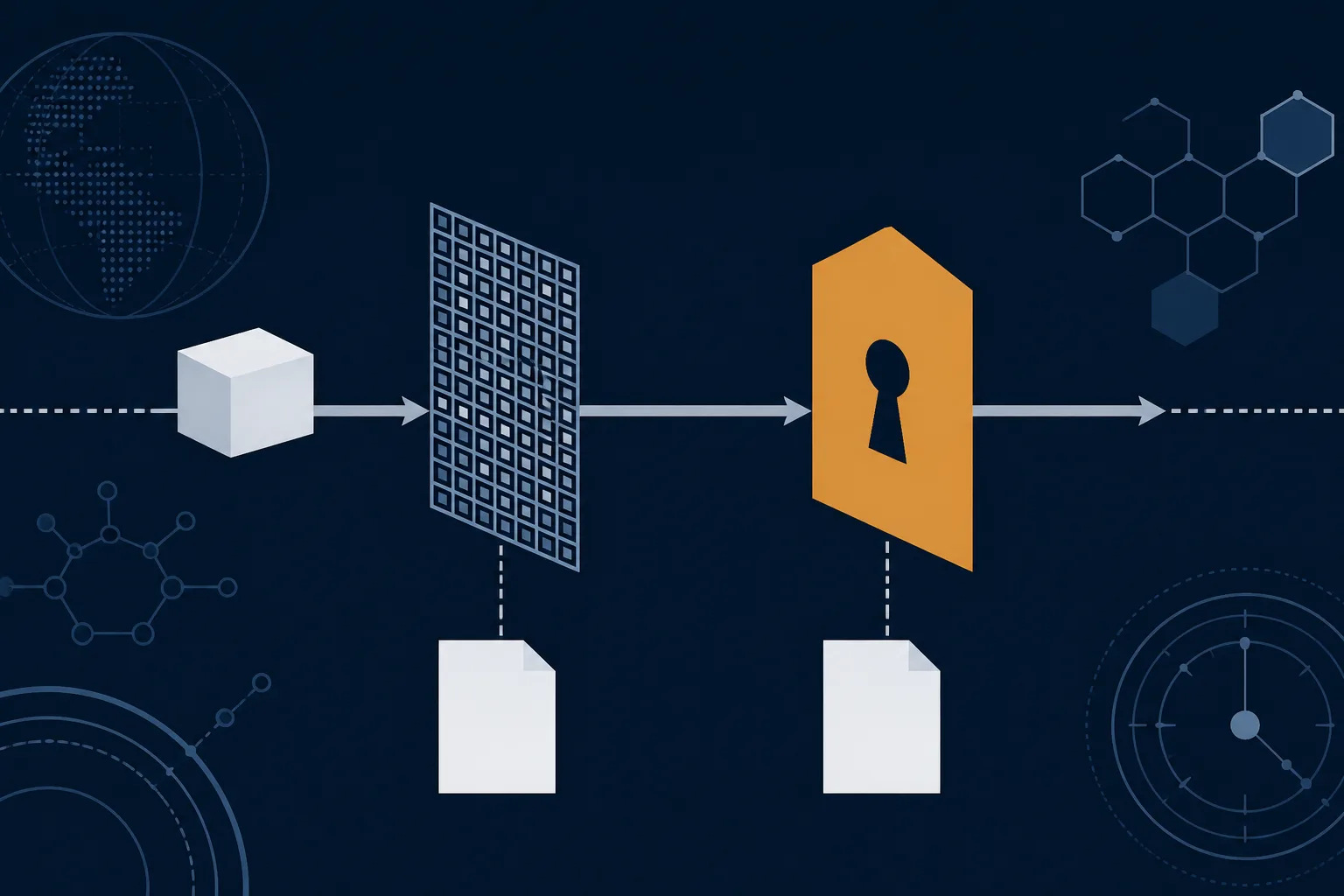 Research Material at the US and Canadian Border: Regulatory Status and What the Paperwork Has to SayTwo authorities decide whether a parcel enters — customs decides what it is, the health regulator decides whether it may come in — and a research-use-only designation answers neither question on its own.
 Research Use Only in the United States: What the RUO Label Does and Does Not DoThe three words are a labelling statement borrowed from one narrow diagnostics regulation — not an exemption, and not a determination of anything.
 Warm Arrival: Reading the Transit Record Before You Write Off the VialA liquefied gel pack is a shipping observation, not a stability finding — the finding comes from reconstructing how hot the parcel got, for how long, and comparing that against the storage condition on the label.